
|
Small Ensembles |
CD Purchase
Download Purchase
 |
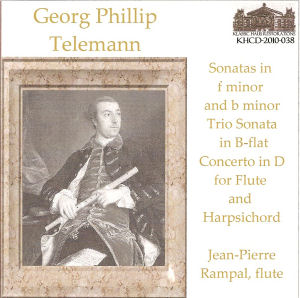 KHCD-2010-038
CD $12.00
High-Quality FLACs
$7.00
 320kbps MP3
$5.00
|
KHCD-2010-038 (STEREO)
Telemann:
Sonatas in f minor & b minor for Flute and Continuo
Trio Sonata in B-flat for Flute and Harpsichord
Concerto No. 1 in D for Flute and Harpsichord
Jean-Pierre Rampal, flute
Robert Veyron-Lacroix, harpsichord |
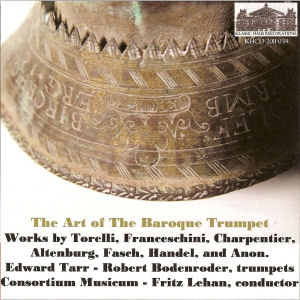 KHCD-2011-034
CD $12.00 |
KHCD-2011-034 (STEREO) The Art of The Baroque Trumpet Works by Torelli, Franceschini, Charpentier, Altenburg, Fasch, Handel and anon. Edward Tarr, trumpet Consortium Musicum Fritz Lehann |
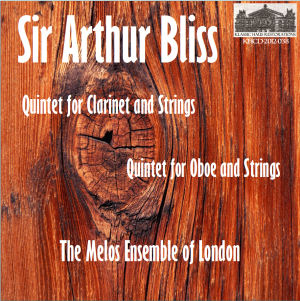 KHCD-2012-038
CD $12.00
320kbps MP3 Download
$5.00
|
KHCD-2012-038 (STEREO) Bliss: Clarinet Quintet - Oboe Quintet The Melos Ensemble of London Gervase de Peyer, clarinet Peter Graeme, oboe |
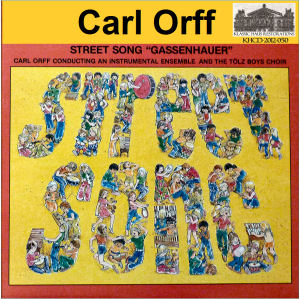 KHCD-2012-050
CD $12.00
320kbps MP3 Download
$5.00
|
KHCD-2012-050 (STEREO) Orff: Street Song ("Gassenhauer") and other pieces from "Schulwerk" Instrumental Ensemble and the Tölz Boys Choir Carl Orff |
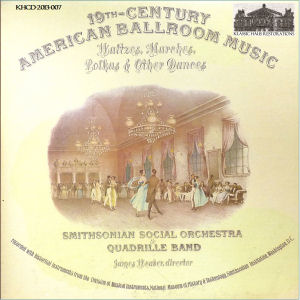 KHCD-2013-007
CD$12.00
High-Quality FLACs
$7.00
320kbps MP3
$5.00
|
KHCD-2013-007 (STEREO) 19th Century American Ballroom Music 1840-1860 Smithsonian Social Orchestra and Quadrille Band James Weaver, director Track listing may be downloaded here. |
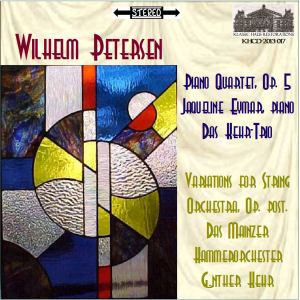 KHCD-2013-017
CD $12.00
High Quality FLACs
$7.00
320kbps MP3
$5.00
|
KHCD-2013-017 (STEREO) Wilhelm Petersen: Piano Quartet in c minor, Op. 42 Jaqueline Eymar, piano Günter Kehr, violin Bodo Hersen, viola Berhard Braunholz, 'cello Variations for String Orchestra, Op. post. Das Mainzer Kammerorchester Günter Kehr A companion CD, KHCD-2012-073, contains the Petersen Sinfonietta for Strings, derived from the same LP set |
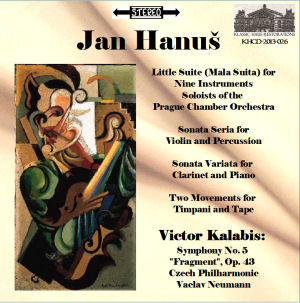 KHCD-2013-026
CD $12.00
High-Quality FLACs
$7.00
320kbps MP3
$5.00
|
KHCD-2013-026 (STEREO) Jan Hanuš: Little Suite (Mala Suita) for Nine Instruments Soloists of the Prague Chamber Orchestra Sonata Seria for Violin and Percussion Sonata Variata for Clarinet and Piano Two Movements for Timpani and Tape Victor Kalabis: Symphony No. 5 "Fragment", Op. 43 Czech Philharmonic Orchestra Vaclav Neumann |
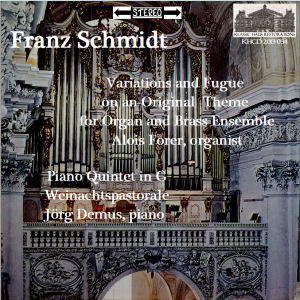 KHCD-2013-034
CD $12.00
High-Quality FLACs
$7.00
320kbps MP3
$5.00
|
KHCD-2013-034 (STEREO) Franz Schmidt: Piano Quintet in G Weinachtspastortale Jörg Demus, piano Variations and Fugue on a Original Theme for Organ and Brass Ensemble (only available recording) Brass Ensemble Alois Forster playing the organ of the Wiener Hofburgkapelle |
 CD $12.00
High-Quality FLACs
$7.00
320kbps MP3
$5.00
|
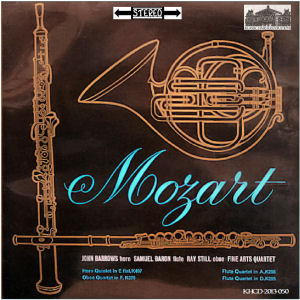
KHCD-2013-050 (STEREO) Mozart: Horn Quintet in E-flat, K. 407 Oboe Quartet in F, K. 370 Flute Quartet in D, K. 285 Flute Quartet in A, K. 298 John Barrows, French horn Ray Still, oboe Samuel Baron, flute The Fine Arts Quartet Leonard Sorkin, violin Irving Ilmer, viola Abram Loft, viola George Sopkin, 'cello |
 KHCD-2014-026 |
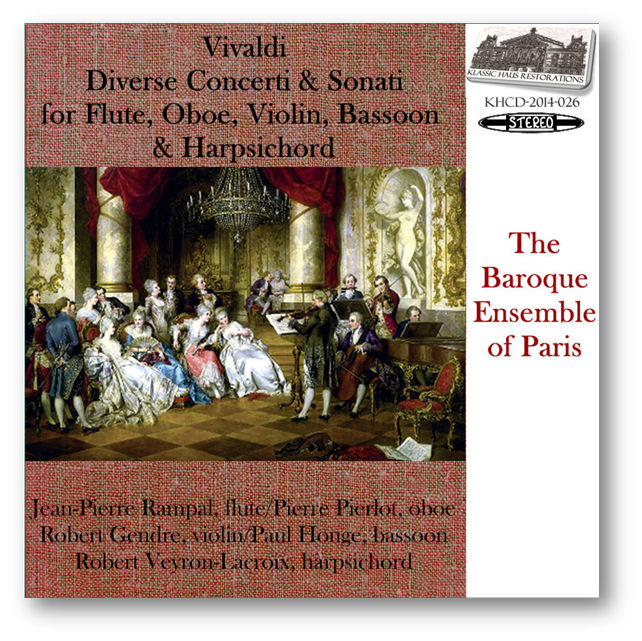
KHCD-2014-026
(STEREO)
Vivaldi: Diverse Concerti & Sonati
The Baroque Ensemble of Paris
|
 KHCD-2014-032 |
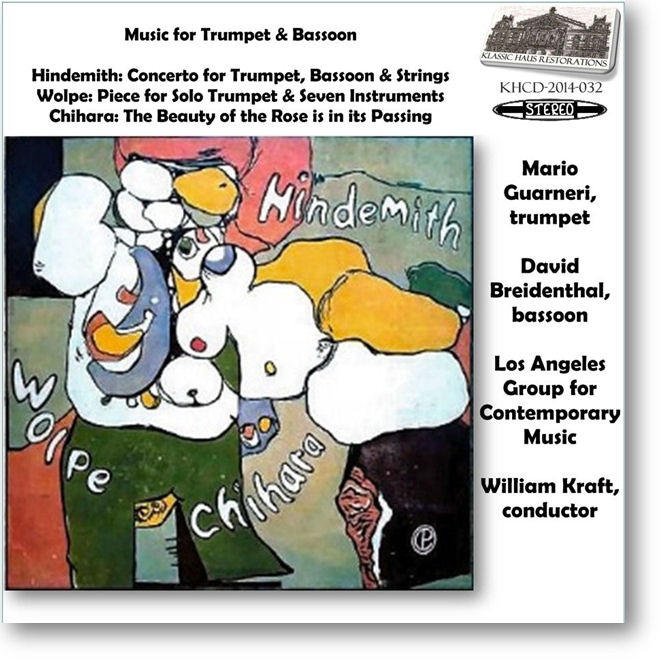
KHCD-2014-032
(STEREO)
Music for Trumpet and Bassoon
Works by Hindemith,
Wolpe, & Chihara
Mario Guarneri, trumpet
David Breidenthal, bassoon
Los Angles Group for
Contemporary Music
William Kraft
|
 KHCD-2014-033 |
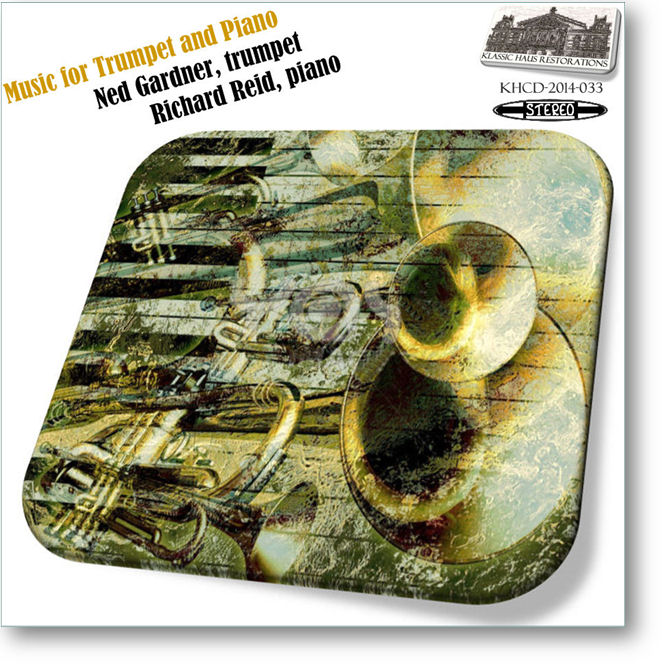
KHCD-2014-033
(STEREO)
Music for Trumpet & Piano
Works by Antheil, Absil, Honegger,
& Genzmer
Ned Gardner, trumpet
Richard Reid, piano
|
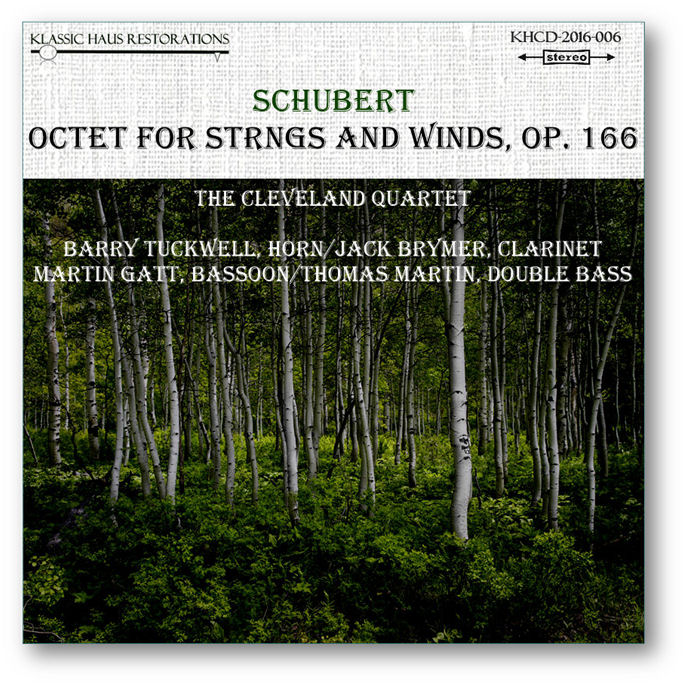 KHCD-2016-006 |
KHCD-2016-006
(STEREO)
Schubert:
Octet for Strings and Winds, Op. 166
The Cleveland Quartet,
with Barry Tuckwell, horn
Jack Brymer, clarinet
Martin Gatt, bassoon
Thomas Martin, double bass
from a British pressing RCA LP, recorded by DECCA
|
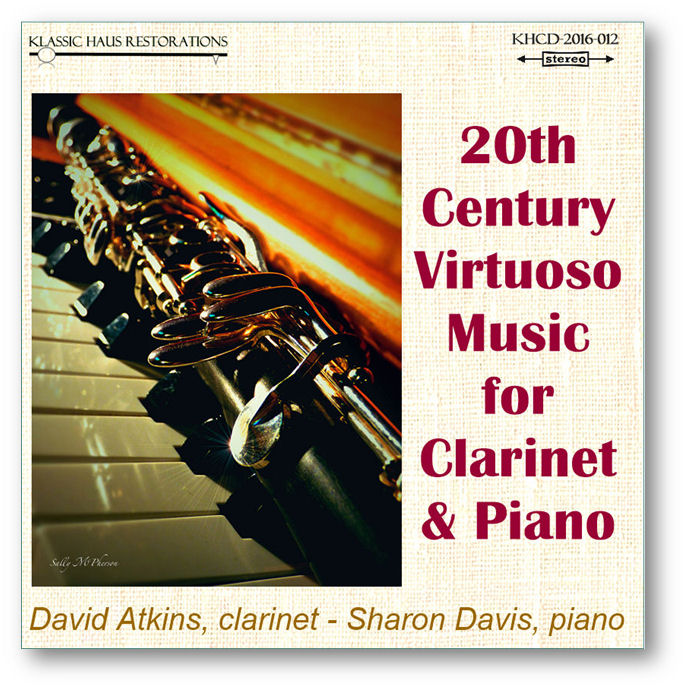 KHCD-2016-012 |
KHCD-2016-012
(STEREO)
20th Century Virtuoso Music for
Clarinet and Piano
Matt Doran: Sonata
Frank Campo: Kinesis
Boris Pillin: Sonata
William Schmidt: Rhapsody No. 1
David Atkins, piano
Sharon Davis, piano |
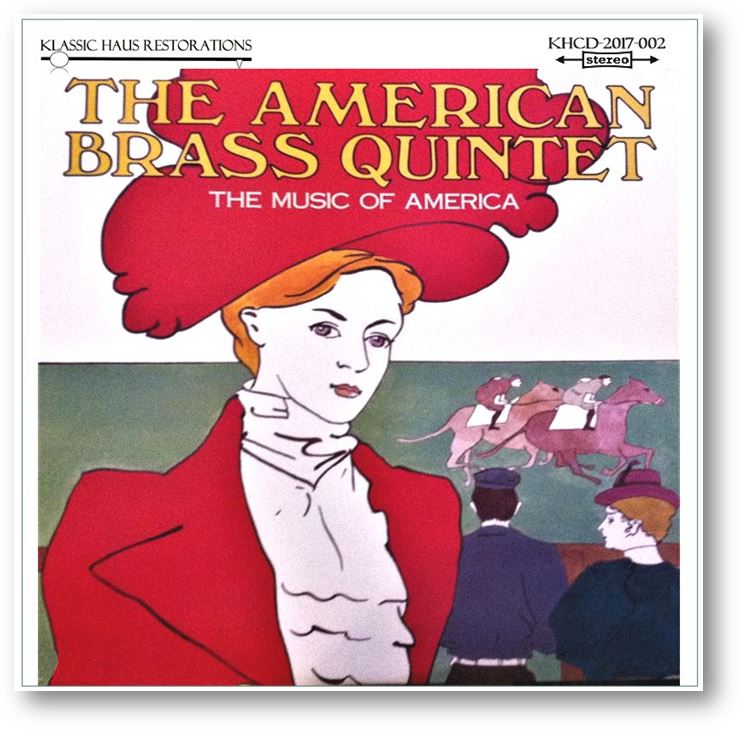 KHCD-2017-002 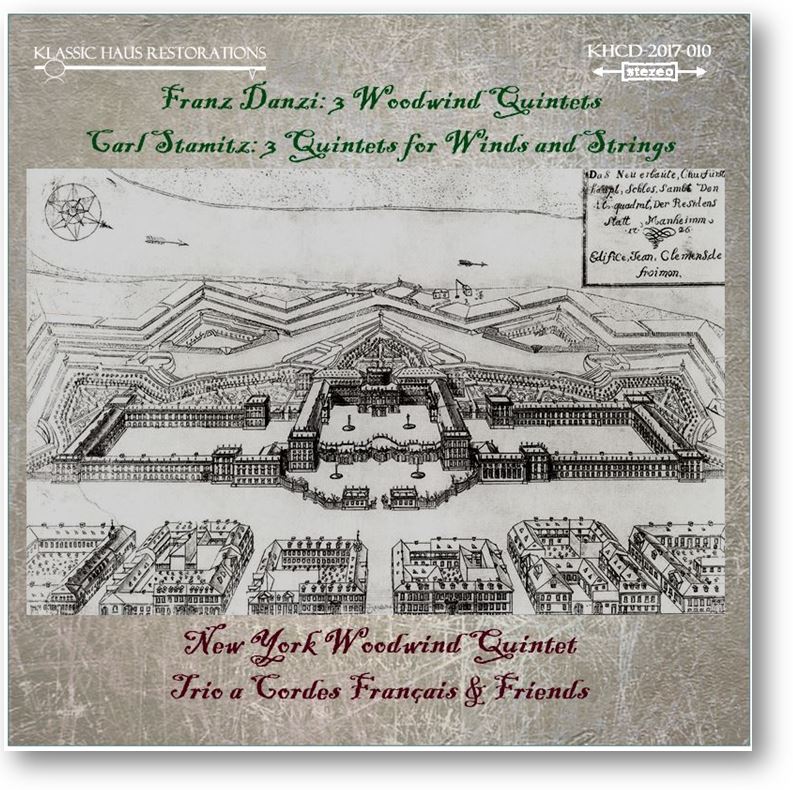 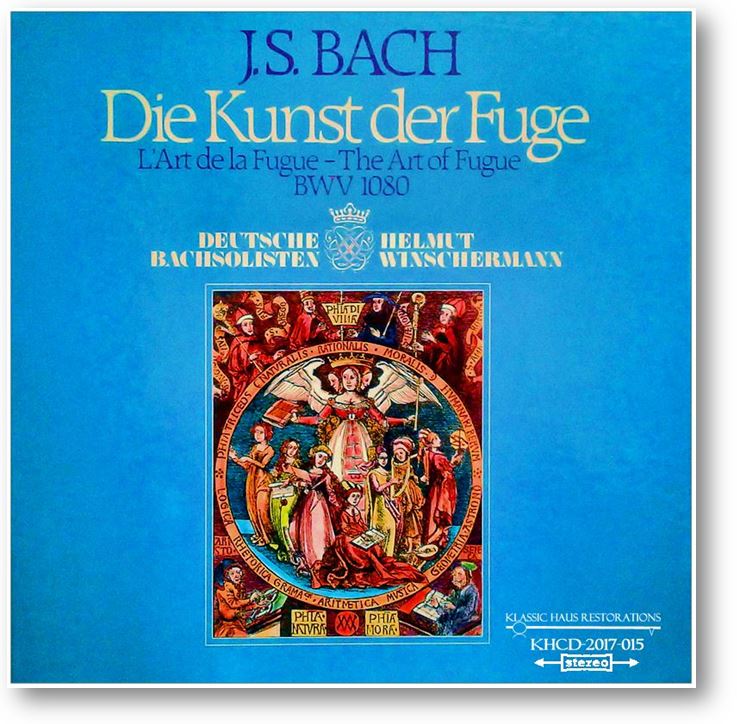 KHCD-2017-015 |
KHCD-2017-002 (STEREO) The American Brass Quintet The Music of America Transcriptions of music by Foster, Joplin, Sousa, Gershwin and others from an rare early RCA digital LP Japanese pressing transcription Available as CD, FLAC, and MP3 downloads KHCD-2017-012 (STEREO) Franz Danzi (1763-1826): 3 Woodwind Quintets New York Woodwind Quintet
Carl Stamitz (1745-1801): 3 Quartets for Winds and Strings
Trio a Cordes Français joined by Jean-Pierre Rampal, flute; Jacques Lancelot, clarinet; Pierre Pierlot, oboe; Gilbert Coursier, horn
KHCD-2017-015 (STEREO) Johann Sebastian Bach (1685-1750)
Die Kunst der Fuge (The Art of the Fugue) BWV 1080
In the revised order and scoring for oboe, oboe d’amore, oboe di caccia, bassoon, strings, and harpsichord
realized by Hans Winschermann
Deutsche Bachsolisten conducted by Helmut Winschermann
|
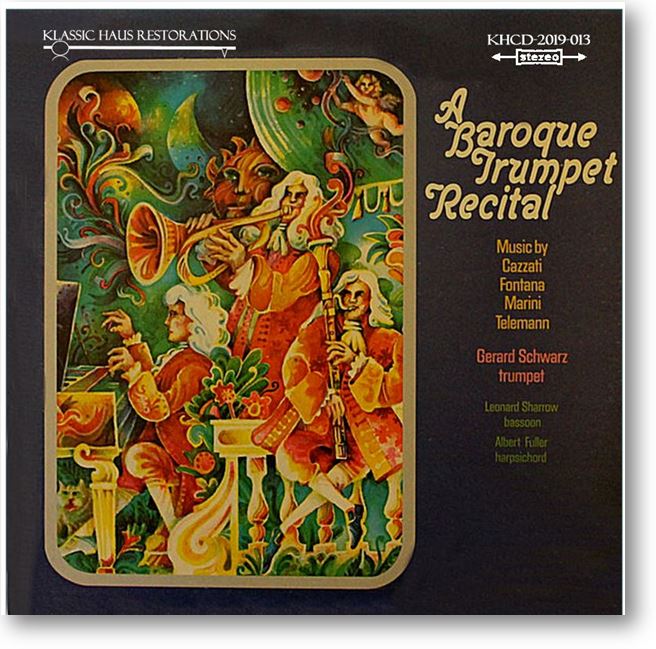 KHCD-2019-013 | KHCD-2019-013 (STEREO) A Baroque Trumpet Recital
Gerard Schwarz, trumpet Leonard Sharrow, bassoon Albert Fuller, harpsichord Available as CD, FLAC and MP3 download |
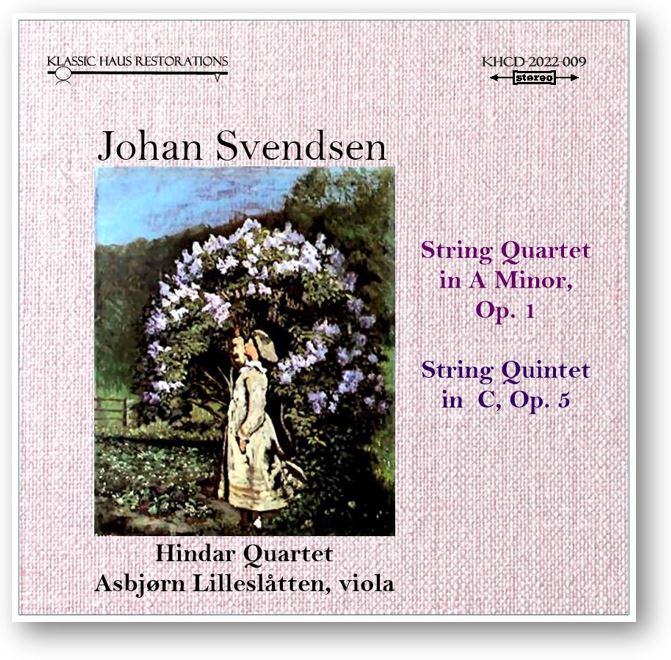 KHCD-2022-009 | KHCD-2022-009 (STEREO) Johan Svendsen (1840-1911)
Quartet For Two Violins, Viola, And Cello, A Minor, Op. 1
Hindar Quartet: Leif Jørgensen & Trond Øyen, violins; Johs Hindar, viola; Levi Hindar cello
Quintet For Two Violins, Two Violas, And Cello, C Major, Op. 5
Hindar Quartet: Leif Jørgensen & Trond Øyen, violins; Johs Hindar, viola; Levi Hindar cello
with Asbjørn Lilleslåtten, viola Available as CD, FLAC and MP3 download
|
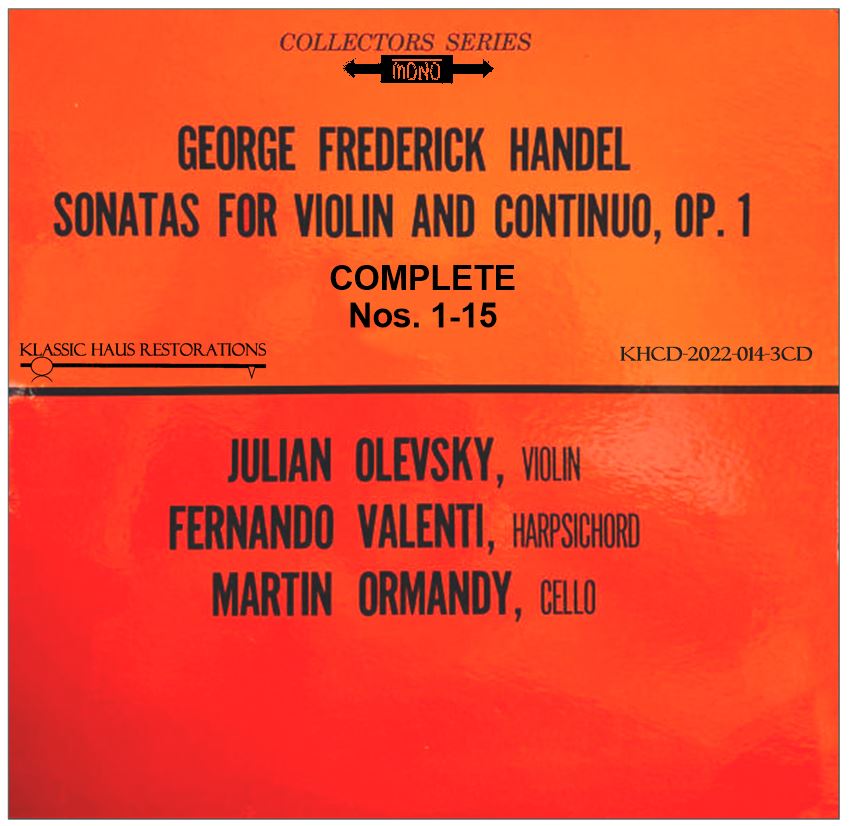 KHCD-2022-009 | KHCD-2022-014-3CD (MONO) George Frederick Handel Sonatas for Violin and Continuo, Op. 1 (Complete)
Julian Olevsky, violin
Fernando Valenti, Harpsichord
Martin Ormandy, cello
Available as CD, FLAC and MP3 download |